Interview with Zumrad Mirzalieva
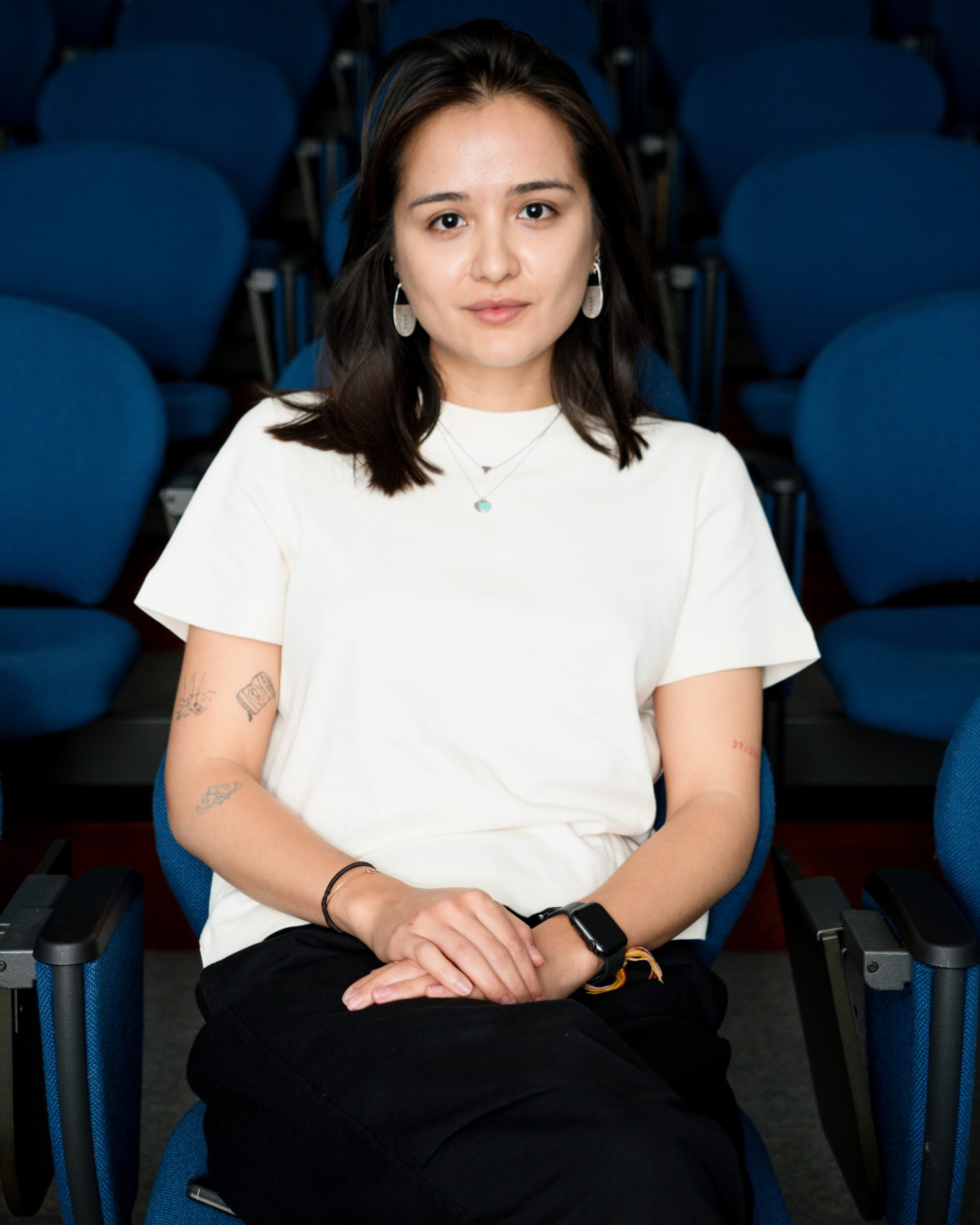
In this podcast recorded in March 2026, Sven Spieker speaks with artist Zumrad Mirsalieva about her practice and her work with Davra research collective. The collective was started in 2021 by artist Saodat Ismailova as an independent platform for artistic research, public programming, publishing, and commissioning focused on Central Asia. The group aims to respond to a lack of sustained artist-led structures in the region capable of supporting indigenous knowledge production, critical exchange, and long-term collaborations. Since then, Davra has developed a body of work across publishing, moving image exhibition, screenings, and educational formats. For example, the collective organized a public event during Saodat Ismailova’s participation in documenta fifteen; published Chilltan: Shapeshifting Eternal Spirits from Central Asia; and produced the essay films Tashkent 58-88 (dir. Zumrad Mirzalieva) and Whose Voice Is It? (dir. Dana Iskakova). The collective has also organized number of screenings, including at the Eye Film Museum in Amsterdam and the Centre Pompidou, and developed the collective installation Taming Waters and Women of Soviet Central Asia that premiered at the Biennale Matter of Art in Prague in 2024 and later traveled to Lahore, and that has been acquired by Muzeum sztuki in Łódź.
Currently the collective is prioritizing its field-building role through educational and publishing initiatives, including research labs, workshops, and public conversations centered on the Syr Daria river. These formats are important to the group because they help respond to gaps in contemporary art infrastructure and critical discourse in and about Central Asia.
Sven Spieker
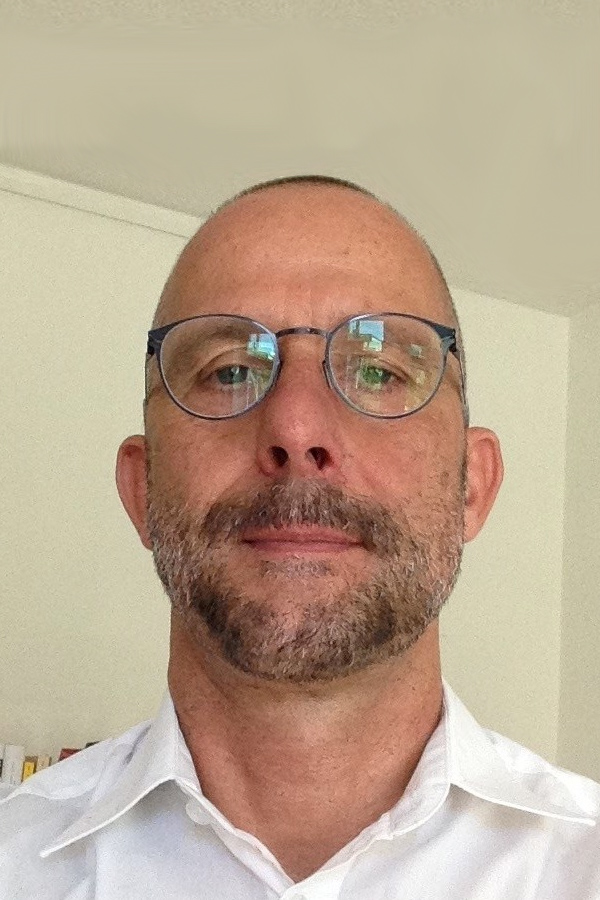
Sven Spieker teaches at the University of California, Santa Barbara, and specializes in modern and contemporary art, aesthetic and critical theory, and global and transnational art and art history. Spieker is the founding editor of ARTMargins and a co-founder of the Working Group Cultures of World Socialism. His book publications include The Big Archive. Art from Bureaucracy (MIT Press, 2008); Destruction (ed., MIT Press, 2017); Akusmatik als Labor: Kultur/Kunst/Medien (co-ed., Königshausen&Neumann, 2023); Art as Demonstration: A Revolutionary Recasting of Knowledge (MIT Press, 2024). Forthcoming: Socialist Exhibition Cultures. International Art Exhibitions in the Socialist World, 1950-1990 (ed., Toronto University Press).