|
Artists
|
|
Administrator
|
|
Wednesday, 12 May 2010 13:56 |
|
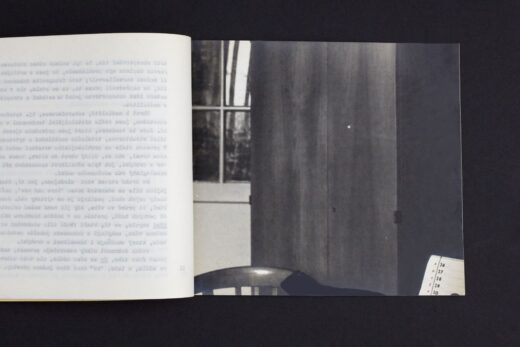
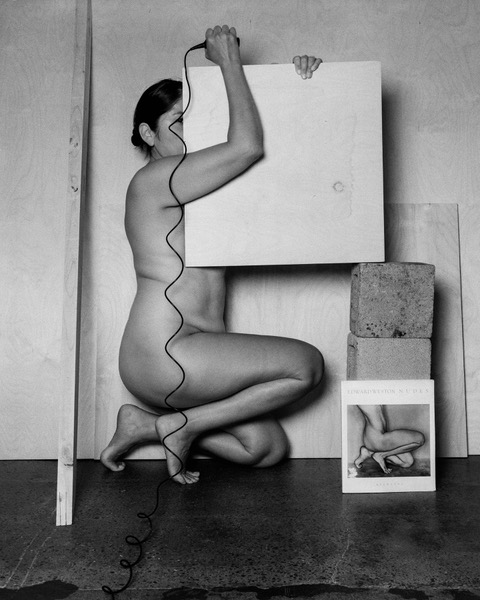
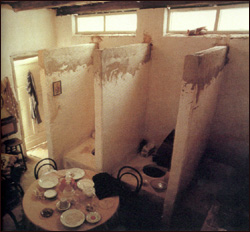
ARTMargins is pleased to show a series of recent photographs by Markéta Othová. Othová studied at the University of Applied Arts in Prague. She has worked with photography since the early 1990s. Her work reflects the strong Czech tradition of avant-garde photography, yet she does not follow that tradition blindly. Othová’s photographs are usually black and white, large-scale, and informed by a strong emphasis on structural relationships. This emphasis on relational structure contrasts with the seemingly casual subject matter of her photographs - interiors, street scenes, landscapes, and still lifes.
|
|
Interviews
|
|
Pavlina Mladenova (Sofia)
|
|
Thursday, 12 August 2010 16:02 |
|
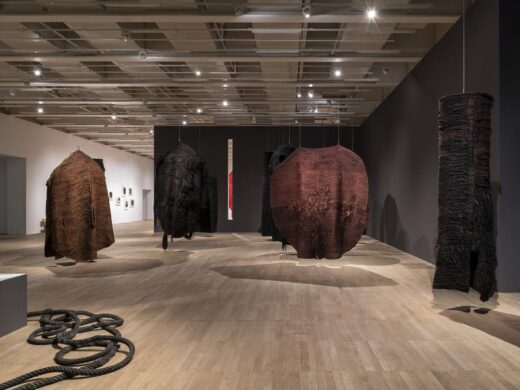
Pavlina Mladenova: You are participating currently in a group exhibition entitled Beyond Credit - Contemporary Art and Mutual Trust in Istanbul, which is one of the significant events of Istanbul European Cultural Capital 2010, with curators Maria Vassileva, Iara Boubnova, Luchezar Boyadjiev. What is the nature of your participation in this exhibition?
|
|
Articles
|
|
Raoul Eshelman (Munich)
|
|
Friday, 28 May 2010 19:38 |
|
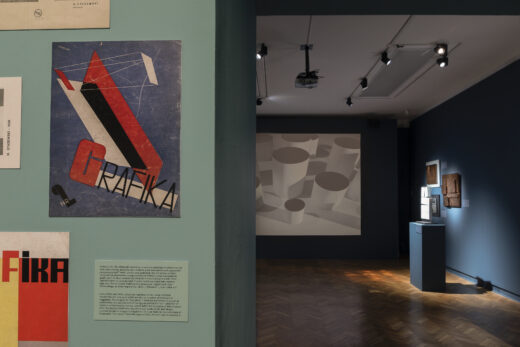
Most people in the art world by now have some sort of intuitive understanding that postmodernism is being replaced by something new, but few have tried to define what that “newness” is in a binding way. One of the few recent attempts of this kind was made by Nicolas Bourriaud while curating an exhibition called Altermodernism at the Tate Triennial in early 2009. Bourriaud suggests that the new post-postmodern art is the “positive experience of disorientation through an art-form exploring all dimensions of the present, tracing lines in all directions of time and space.”
|
|
Exhibition Reviews
|
|
Valentina Iancu (Bucharest)
|
|
Tuesday, 03 August 2010 18:57 |
|
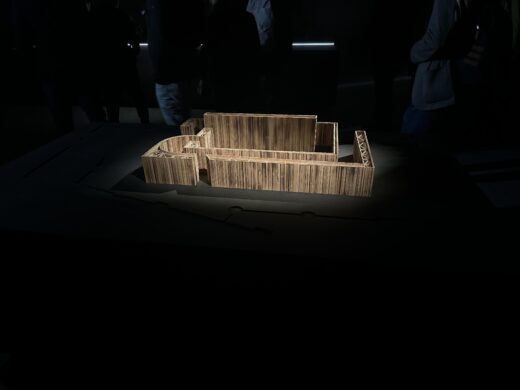
Contrary to what might be expected from the concept of “biennale,” BB4 is a small-scale international group exhibition that differs significantly from the contemporary “blockbusters” in other cities. It unites thirty-seven artists by posing a conceptual question that addresses typical issues in Bucharest; namely architectural entropy, diversity, and lack of urban coherence, or the memory of communism, which is still very much alive in the collective conscience. The goal of the organizers is to create an international exhibition that fits in with the local idiosyncrasies.
|